Your mother-in-law thinks all supplements are a scam. Your brother googled berberine for four minutes and found a Reddit thread calling it "nature's Ozempic knockoff." This guide gives you the actual talking points to get past the eye-rolls and have a real conversation about why you take a berberine supplement in the first place.
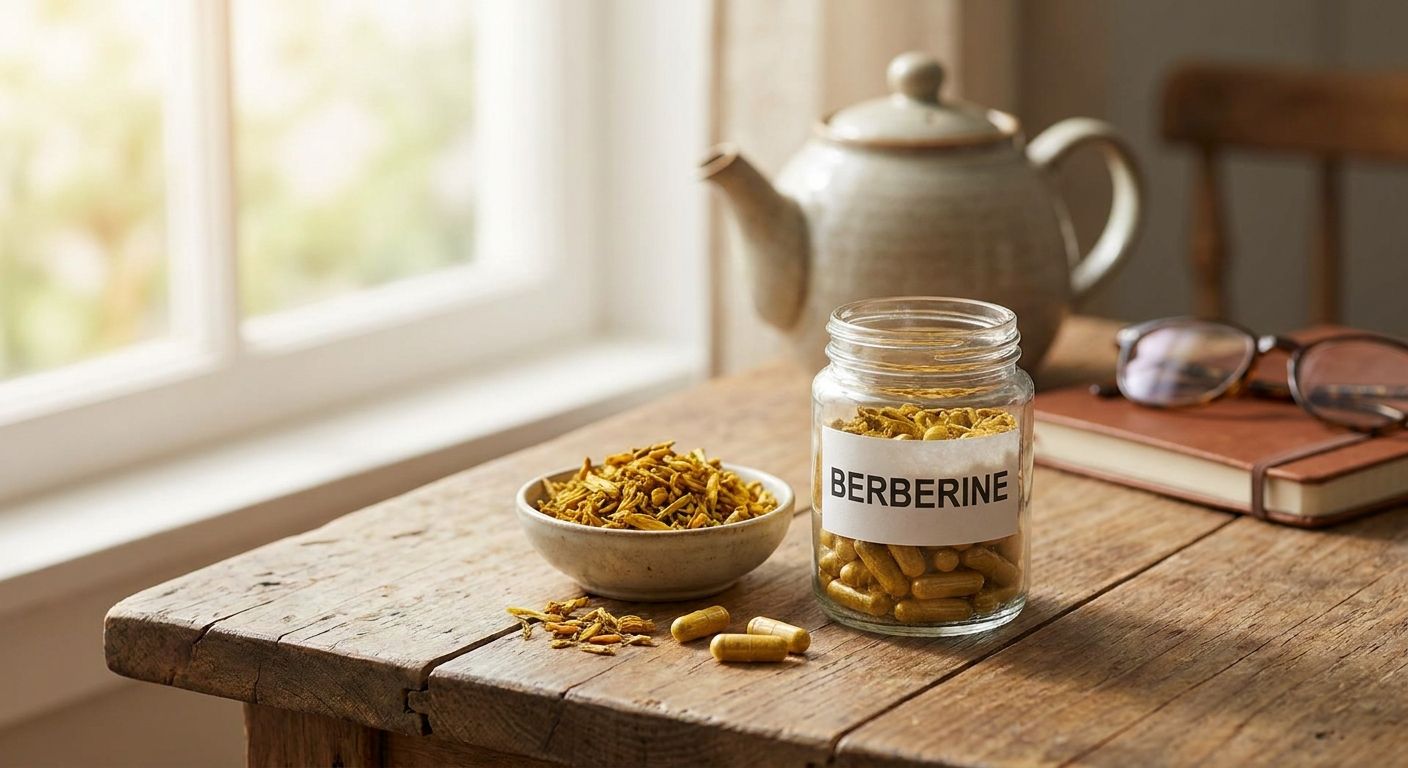
- Explaining berberine to family works best when you lead with the plant, not the pill — berberine comes from barberry, goldenseal and Oregon grape root.
- Skip the FDA-approval argument; dietary supplements are regulated differently than drugs, and that's not a red flag by itself.
- Give a real timeline: most people report changes in energy or blood sugar readings after 3-4 weeks of consistent use, not overnight.
- Point to the dose, not the marketing: 1200mg of pure berberine HCl daily is the number worth discussing, not vague claims.
- If they're still skeptical, a 90-day money-back window is a lower-risk ask than a lecture.
Why this matters
Skeptical family members aren't wrong to ask questions — they're doing what anyone should do before putting something new in their body. The problem isn't their skepticism. It's that most people trying to explain berberine reach for Instagram-ad language ("BLOOD SUGAR SUPPORT!") instead of the actual mechanism, the actual dose, and the actual timeline.
That mismatch is exactly what makes families distrust supplements in 2026: too much hype, not enough specifics. Fix the specifics and the conversation usually calms down on its own.
What you'll need
- The supplement label or bottle in hand — not a screenshot, the physical thing
- 10-15 minutes of uninterrupted time, not a hallway ambush
- One or two credible sources you can point to if asked (a doctor's note, a lab result, or a reputable berberine supplement for prediabetes support resource)
- Patience for at least one follow-up conversation — this rarely lands in a single sitting
- A clear answer to "why now" — what changed that made you start taking it
The steps
1. Start with their specific worry, not the science
Ask what worries them before you explain anything. A parent worried about drug interactions needs a different answer than a sibling who thinks all supplements are unregulated garbage. Skipping this step means you'll answer a question nobody asked while their real concern goes unaddressed. Expect this to take two minutes; the common mistake here is launching straight into a monologue about AMPK activation before anyone asked for it.
2. Lead with the plant, not the pill
Berberine is a compound extracted from plants like barberry, goldenseal, and Oregon grape root — it's been used in traditional medicine systems for centuries, which is a more disarming opening than "it's a supplement I bought online." Explain how berberine works for blood sugar support in plain terms: it's thought to help cells respond better to insulin, similar in mechanism-of-interest to how metformin is studied, though berberine is not a prescription drug and isn't regulated as one. Naming the plant source usually lowers the guard faster than naming the brand.
3. Translate the dose into a number they can picture
Vague claims trigger skepticism; specific numbers reduce it. Vitalsupplements' formula delivers 1200mg of pure berberine HCl per daily serving — say the number out loud instead of "a healthy dose." If your family member takes any daily vitamin, compare it: "it's one serving, same as your fish oil, not a handful of pills." A common mistake is rounding vaguely ("like a gram or so") — precision reads as more credible than approximation.
4. Set a realistic timeline
Don't promise fast results. Most people report noticeable changes in energy or blood sugar readings after 3-4 weeks of consistent daily use, not the next morning. Tell them you're tracking it over a month, not chasing an overnight fix. Overpromising is the single fastest way to lose credibility with someone already skeptical — if nothing changes in five days, they'll write off the whole conversation.
5. Address "why haven't I heard of it from my doctor"
This is the most common objection and it deserves a direct answer, not deflection. Dietary supplements in the U.S. aren't reviewed and approved by the FDA before they go to market the way prescription drugs are — that's a regulatory category difference, not proof something is unsafe or fake. Many doctors simply don't bring up supplements unless asked, especially ones outside standard treatment guidelines. Say this plainly instead of getting defensive.
6. Bring receipts they can verify
Have the ingredient list and dosage visible on the bottle, and be ready to mention that the product is manufactured in the U.S. if that matters to them — that's a real, checkable claim, unlike a vague "trusted by thousands" line. If they want to research further, point them toward a specific use-case page like berberine supplement for insulin resistance rather than a general search that dumps them into forum chaos.
7. Offer the safety net instead of a debate
If they're still unconvinced, don't argue harder — offer a lower-risk path. A 90-day money-back window means they're not being asked to trust you blindly; they're being asked to let you try something with an exit ramp built in. This reframes the conversation from "prove it works" to "there's nothing to lose by letting me continue."
8. Give them an out, not an ultimatum
End the conversation by making it optional for them to agree, not mandatory. "I'm not asking you to take it, just to stop worrying about it" closes far more doors than trying to convert them on the spot. The common mistake at this stage is treating silence as a loss — most skeptical family members need a second or third conversation, not a single winning argument.
Troubleshooting
"It's not FDA approved, so it's fake." Clarify the distinction: FDA approval applies to drugs, not dietary supplements, and that's a regulatory category, not a verdict on effectiveness. Point to the label's ingredient transparency instead of arguing regulation semantics.
"You're just trying to sell me something." Drop the sales language entirely in this conversation — no "BUY NOW," no discount talk. Talk about your own results and timeline, not the brand's marketing copy.
"I read it interacts with my medication." Take this seriously and don't argue it away. Berberine can interact with certain medications, including some used for blood sugar, so anyone on prescription drugs should raise it with their doctor or pharmacist before starting, full stop.
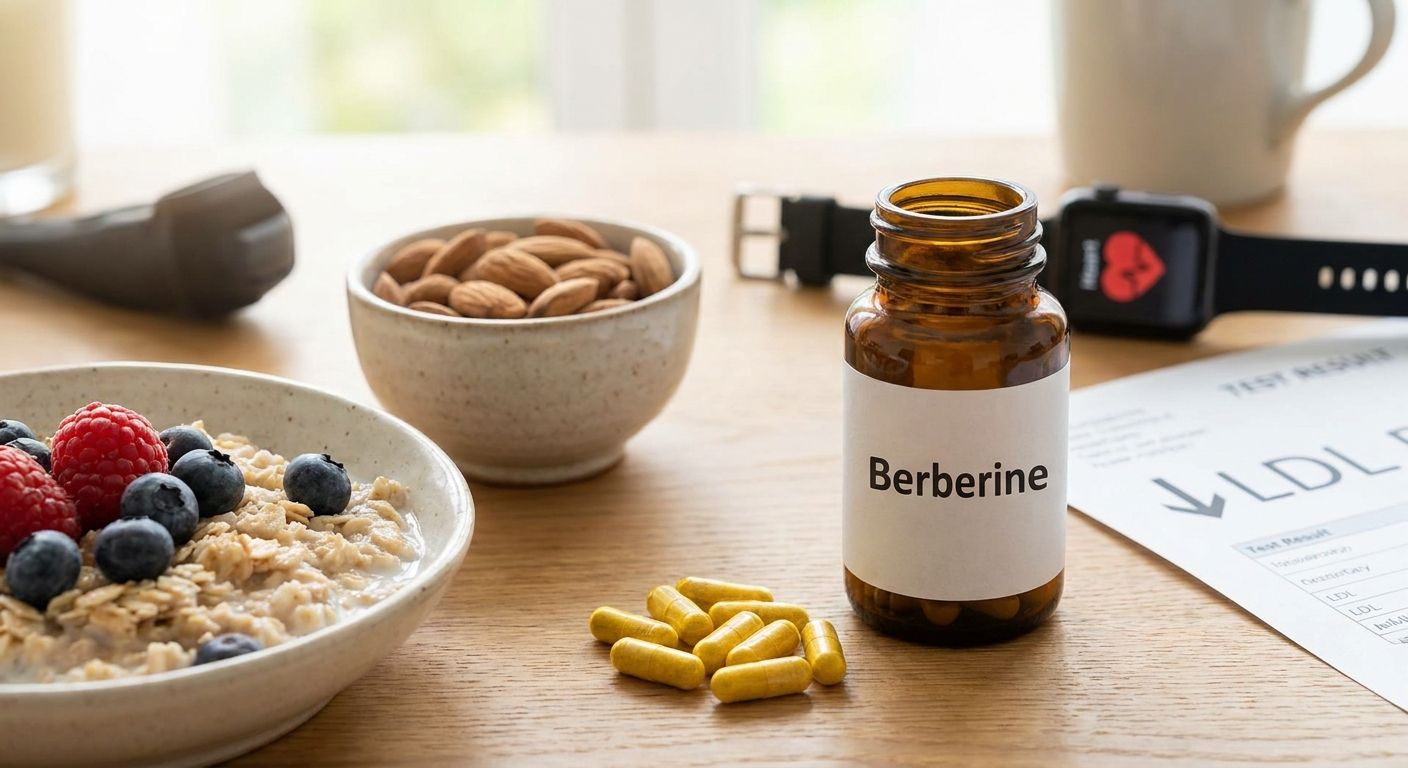
"Why would you need this if you eat healthy?" Reframe it as targeted support, not a replacement for diet. Mention how you're already pairing it with combining berberine with exercise for better results rather than treating it as a stand-alone fix.
"This sounds like a fad." Berberine research has been published for decades, not invented for a 2026 ad campaign — it's just newly popular in wellness marketing. Separate the compound's history from the hype cycle around it.
Tools and resources
- The product label with dose and ingredient list in plain view
- Berberine supplement for prediabetes support for family members specifically worried about blood sugar trends
- A notes app or simple log to track how you feel week to week — concrete tracking beats "I think it's helping"
- A calm 15-minute window, not a holiday dinner table
What to do next
If the first conversation goes well, the next one should go deeper into the actual mechanism instead of reassurance. Send them the page on berberine supplement for prediabetes support so they can read the specifics on their own time instead of taking your word for it mid-argument.
FAQ
What is berberine and why do people take it?
Berberine is a plant compound found in barberry, goldenseal and Oregon grape root, taken most often for metabolic, blood sugar and cholesterol support. People typically add it as a daily supplement alongside diet and exercise changes, not as a standalone fix.
Is berberine safe to take with prescription medication like metformin?
Berberine can interact with certain medications, including some blood sugar drugs, so anyone on prescription treatment should talk to a doctor or pharmacist before adding it. This is the single most important caveat to raise with a skeptical family member on medication.
How long does it take to see berberine results?
Most people report noticeable changes after 3-4 weeks of consistent daily use, not immediately. Results vary by individual and by what you're tracking, whether that's energy, cravings, or blood sugar readings.
Why hasn't my doctor mentioned berberine?
Many doctors don't bring up dietary supplements unless a patient asks directly, since supplements sit outside standard prescribing guidelines. That silence isn't the same as a doctor rejecting it.
Is berberine FDA approved?
No, and it doesn't need to be — dietary supplements aren't reviewed and approved by the FDA before sale the way prescription drugs are. That's a regulatory category difference, not evidence the product doesn't work.
What's a normal berberine dose?
Vitalsupplements' formula delivers 1200mg of pure berberine HCl per daily serving. Giving a family member the exact number, rather than a vague claim, is usually what moves a skeptical conversation forward.
Can berberine interact with blood sugar medication?
Yes, berberine affects blood sugar regulation, so combining it with prescription blood sugar medication needs medical supervision to avoid readings dropping too low. Flag this directly with anyone already on treatment for diabetes or insulin resistance.
Is there a money-back guarantee on berberine supplements?
Vitalsupplements offers a 90-day money-back window, which gives skeptical family members a lower-risk way to let you continue without a full debate. Framing it as a trial period, not a purchase decision, usually lands better than arguing the science.
One last thing
The fastest way to lose a skeptical family member isn't a bad argument — it's overselling. Drop the ad-copy voice entirely in this conversation, skip the exclamation points, and just say the dose, the timeline, and the guarantee. Specifics close more minds than enthusiasm ever will, and that's true whether it's 2026 or any year after.